I got obsessed with solving them properly.
Most people’s stories start the same way. Zero to hero, impossible odds, built from nothing. If that’s what you’re expecting, I’m sorry to disappoint you. I wasn’t broke. I wasn’t struggling. I was just obsessed.
The obsession started before I had words for it. As a kid, I was the one adults called troublesome. I broke everything, toys, appliances, gadgets, electronics. If I could get my hands on it, I was taking it apart. Adults saw a destructive child. I needed to see inside the thing.
My grandfather was the only person who understood that. He’d travel abroad, bring things home, and within days I’d have them in pieces on the floor. He never stopped me. I think he saw what everyone else missed: the kid who keeps taking things apart is the kid who eventually learns to put things together properly.
To be honest, most of what I took apart never got put back together. It usually ended up wasted. But the understanding stuck, even if the gadget didn’t survive.
To this day, when I play my friends at FIFA, the scoreline usually looks like 8 to 1, and not in my favour. I made my trade-offs early. I can’t beat anyone at FIFA, but I can tell you exactly why a business is bleeding money in under an hour. I’m at peace with that.
At some point the question sharpened into something specific. Why do some people win while others, doing the exact same thing, stay stuck? Not theoretically. Structurally. What is actually different about the ones who make it?

I didn’t just read about it. I tested everything.
Over the years I’ve owned and operated multiple businesses. A media company. Videography and photography. A textile and fashion accessories business. Two years trading forex, a very specific education. Forex doesn’t teach you strategy; it teaches you what happens when you make decisions under real pressure with real money and real consequences. You learn fast or you lose fast. I did both.
I spent a year as a brand strategist for a fashion business, came in, helped them build a real foundation. Strategy, positioning, structure. That foundation held. Today they’re one of the most successful fashion businesses in our city. That’s the engagement I’m most proud of, because the work outlasted me. That’s always the test.
But here’s what I want to be honest about: I have failed a lot more than I have succeeded. And I mean a lot more. Most of what I tried didn’t work.
The difference is I never let a failure stay a failure. Every time something went wrong, I sat with it until I understood exactly why. I skipped the excuses and dug for the structural reason. What was missing. What was misaligned. What I should have built before I started scaling.
People who win never truly know why they win. People who lose always learn why they lost.
That quote rewired how I think. I chased failure on purpose. Most people avoid mistakes; I ran straight into them. Every loss showed me what not to do and compressed years of learning into weeks. A failed business that costs you six months teaches you more than an MBA that costs you two years. I’ve had enough of those to have the equivalent of several, with the scars to show for it.
And the pattern kept repeating. Every business I looked at, mine or anyone else’s, broke in the same places. Not approximately, exactly. The same six, failing in predictable ways:
- 01Marketing was invisible.
- 02Sales had no pipeline.
- 03The offer was underpriced or poorly packaged.
- 04Operations lived entirely in the founder’s head.
- 05Finance was a black box everyone was afraid to open.
- 06And the founder was the bottleneck, the part nobody wanted to look at, because looking means the mirror.
People around me have said for years that Omar always finds a way. Not because I’m the smartest person in the room, because I don’t look at the obvious answer. I look underneath it and ask whether the structure holding it up is actually sound. Most of the time, it isn’t. Most of the time, the thing people think is broken is a symptom of something deeper nobody examined.
So I stopped reading and started building. Company after company, failure after failure, each one faster than the last. Then something shifted. People started asking for help, friends first, then owners I barely knew, then people further ahead than me. I worked with a few for free, just to see if I could get consistent results in someone else’s business. I could. One client brought two more without me asking. Those two brought more.
That’s when it clicked. This wasn’t obsession anymore. It was a skill, real, transferable, repeatable. I could look at any business, see where the structure was broken, and tell the founder exactly what to fix and in what order. Not once. Over and over.
The part where it worked.
The failures taught me. These proved it.
Today I run Sargasso.
I work with founders whose businesses feel harder than they should. Where effort is high and clarity is low. Where the founder works twelve-hour days and the business still isn’t moving. Where the team is growing but the chaos is growing faster. Where revenue comes in and the money leaks out just as fast.
Wins are easy to talk about. Work with me because I’ve failed more times than most people will admit publicly, and I kept the receipts. I’ve watched businesses collapse, stall, leak money, and burn out, mine, not other people’s. I’ve made the wrong moves, in the wrong order, for the wrong reasons, and paid for every one.
That gave me something more valuable than confidence. It gave me judgment, the kind you only get from being wrong enough times that the right answer becomes obvious. A deep understanding of what not to do, what actually matters, and which mistakes cost the most.
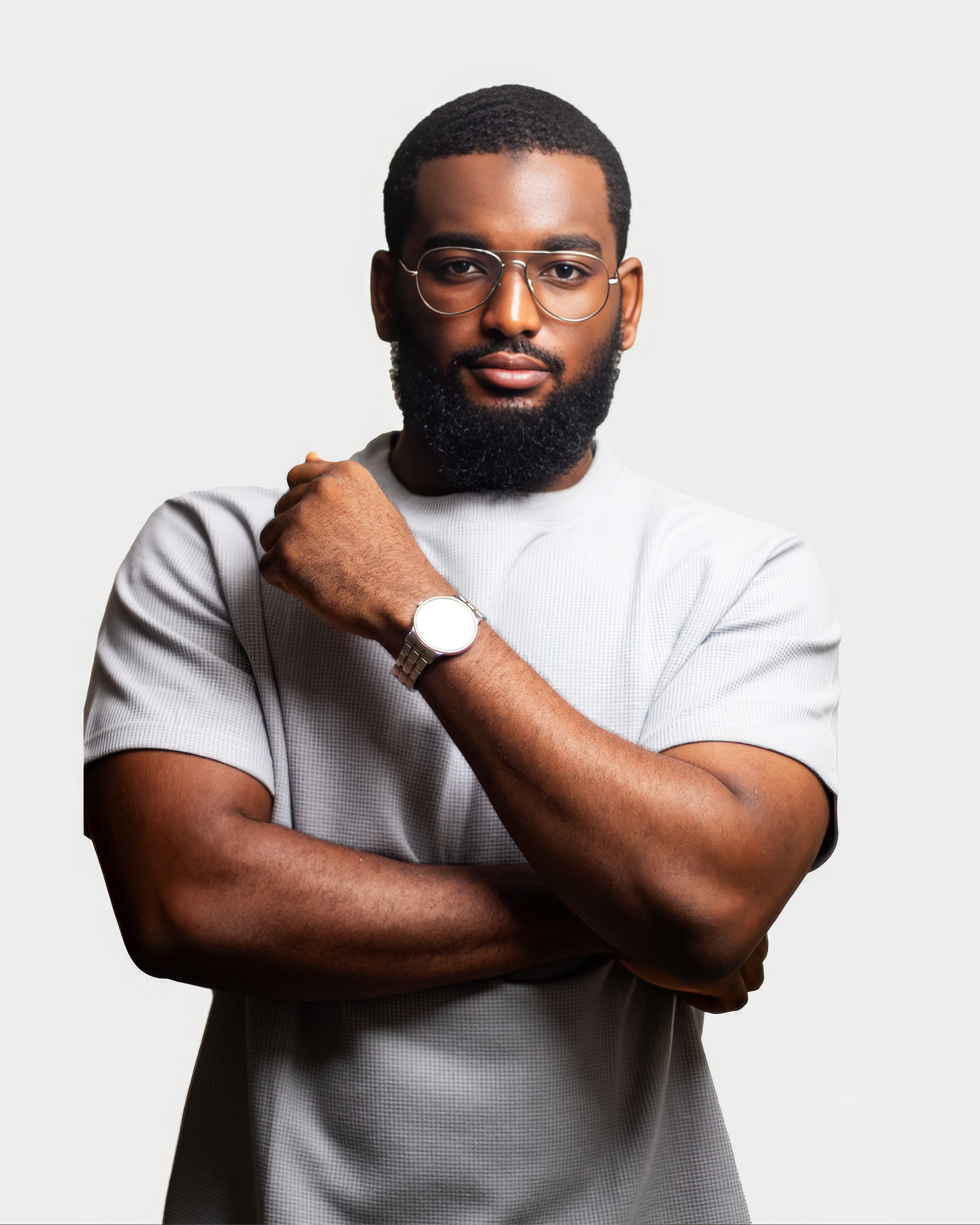
Omar Faruc, Founder, Sargasso
Stop learning it the slow, expensive way.
Keep taking your business apart on your own and hoping it goes back together, or hand it to someone who’s done it enough times to see the shape fast.